Hydro Excavation
Precision digging without the risk. Hydro excavation exposes underground utilities safely, cleanly, and with minimal disruption.
- Up to 200 ft from the truck
- Frozen-ground capable
- Vac box spoil disposal
Overview
- Hose reach
- 200ft
- Region
- NortheastUS
- Ground
- FrozenOK
- Spoil
- Vac box
Hydro excavation uses pressurized water and a vacuum source to loosen and remove soil. It reduces the potential for damage to underground infrastructure while keeping excavation productive where utilities may be buried.
From utility location and potholing to trenching and daylighting, our hydro-vac crews work cleanly, quickly, and with full awareness of what's underground. It's the go-to method for sensitive areas and tight spaces where precision matters most.
Scope
What this unit covers on a typical job. Ask about anything that isn't listed.
- Potholing and utility exposure
- Trenching and daylighting
- Slot trenching for conduit install
- Remote hose digging access
- Utility-safe excavation
- Vacuum debris removal
- Non-destructive digging
- Frozen ground capability
- Safe around fiber and gas lines
- Utility locates and mapping
- Permit-ready process
Why hydro-vac
Every hydro excavation job begins with planning: what's in the ground, where we're digging, and how to access it safely. We handle setup, spoil management, and site restoration. We don't just uncover what's hidden — we protect it.
Safety: an underground utility strike can be catastrophic, affecting thousands of people and costing millions of dollars. Improved safety and damage prevention top the list of hydro excavation's benefits.
Locating: buried facilities are hard to locate and marks are subject to error. Where you can't be sure what's underground, hydro excavation slices through hard or frozen ground while keeping crews safe and utilities undamaged.
Emergencies: when a cable fails or a pipe breaks, the facility may need to be exposed immediately. Soft digging gets utilities and customers back in service faster.
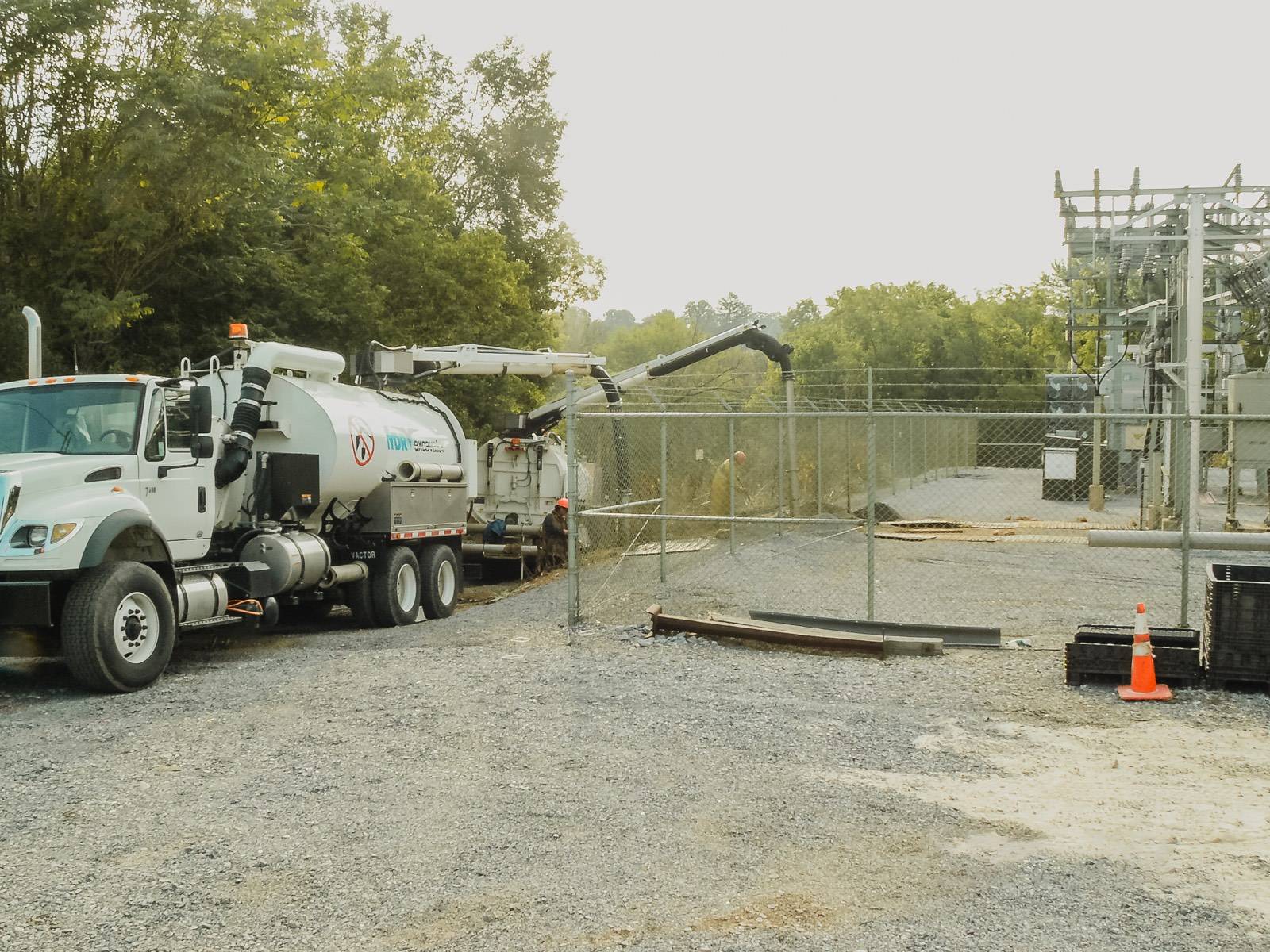
Fleet: our trucks work across the Northeast. Operators can excavate up to 200 feet from the truck, and hazardous spoil can be stored in a vac box for proper off-site disposal.
Cleanup: slurry is vacuumed into the debris tank and disposed of or relocated as needed, leaving a clean site.
Site photographs
Questions, answered
The questions we hear most. Don't see yours? Ask us directly.
RFI-01What is hydro excavation used for?
Exposing underground utilities, digging in sensitive areas, trenching, and locating lines without damaging what's buried.
RFI-02Is hydro excavation better than traditional digging?
It reduces the risk of damaging pipes or cables, especially in congested areas or near live utilities.
RFI-03What happens to the displaced material?
Our trucks vacuum the slurry into a debris tank, which is properly disposed of or relocated as needed.
RFI-04Do you offer hydro excavation year-round?
Yes. With heated water systems, we can dig in cold weather and frozen ground.
RFI-05How do I know if my project needs hydro-vac?
If you're digging near existing utilities or working in a tight, high-risk area, hydro excavation is usually the safest choice.